Author: admin

  • When a Photo Gallery Adds Context

    When a Photo Gallery Adds Context

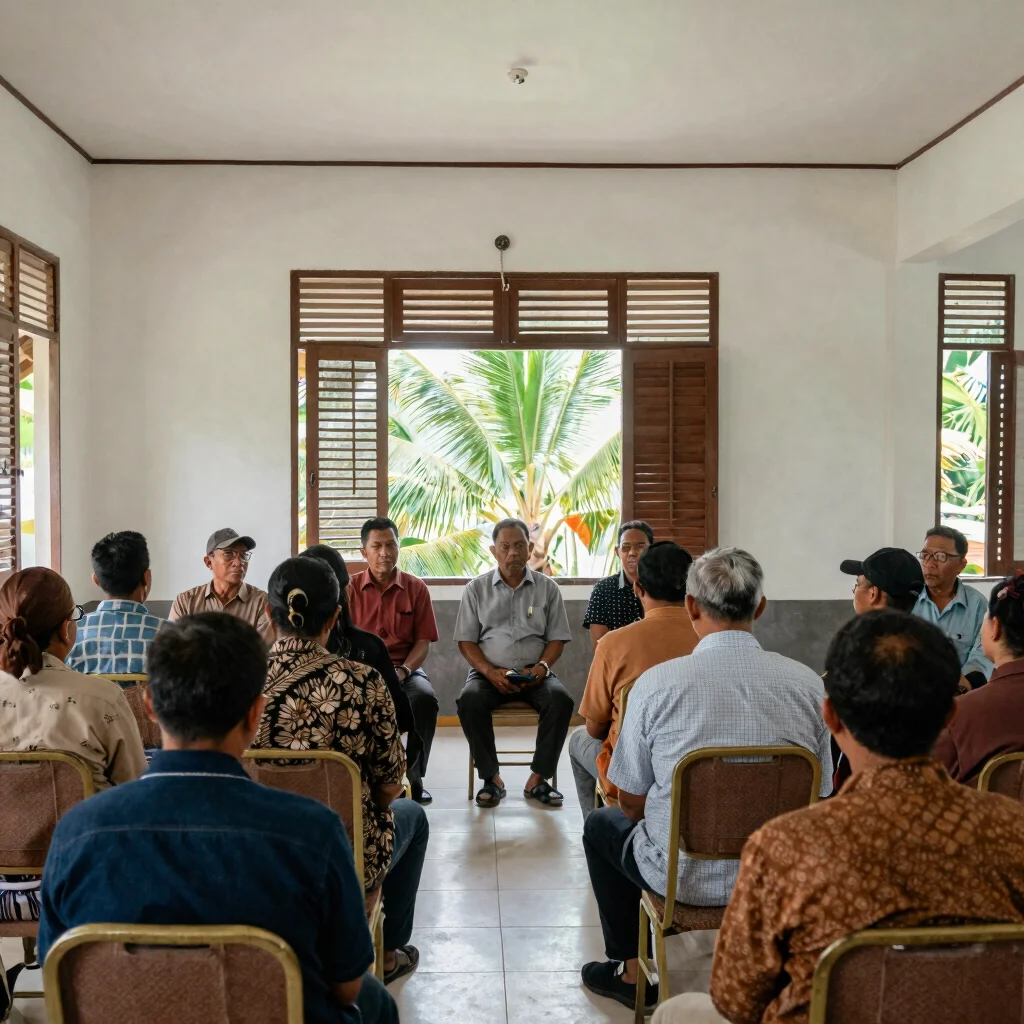
    Some public activities are easier to understand through a sequence of images than through one short description. A photo gallery gives visual coverage its own space, while leaving room for a written report to explain what the pictures cannot.

    Read the scene carefully

    A photograph can show a meeting room, a community gathering, or the setting of an activity in North Sulawesi. It cannot establish every decision made there, explain why someone attended, or prove what happened outside the frame.

    Captions help connect each image to its subject and setting. When a caption does not answer a basic question, such as where or when a scene was recorded, readers should avoid supplying that context themselves.

    Pair images with reporting

    For governor coverage or SKPD activities, images work best alongside a clear account of the event. The report can explain the purpose and relevant details; the gallery can show the environment and moments that a written account may not convey as directly.

    Use the gallery when you want visual coverage, and the related report when you need more context. Together, they offer a fuller view without asking a photograph to make claims it cannot support.
  • What to Check in a Media Release

    What to Check in a Media Release

    A media release can be the quickest way to find an office’s stated position on a public program or decision. It is also a particular kind of source: useful for what it announces, but not automatically a complete account of every question readers may have.

    Start with the source

    Look for the issuing office and the date before relying on the details. In a provincial update, those clues help distinguish a current announcement from older material that may still circulate or appear in search results.

    Then read for the concrete elements: what is being announced, who is affected, and whether the release gives a location or timeframe. If a detail is absent, it is better to treat it as unanswered than to fill the gap with an assumption.

    Separate statement from outcome

    A release records what its issuing office says. It does not, by itself, establish that a proposed activity has happened or that a stated goal has been achieved. That difference matters when reading updates about SKPD programs across North Sulawesi.

    For a fuller picture, look for later reporting that documents implementation, community impact, or a reported achievement. Keep the original release in view, but let each source answer only the question it can support.

  • A Governor’s Journal Is Not a Press Release

    A Governor’s Journal Is Not a Press Release

    A reader looking for a governor’s field visit in North Sulawesi may not be looking for an official announcement. The Governor’s Journal and media release categories answer different questions, and keeping them distinct makes the coverage easier to scan.

    Follow the activity

    The Governor’s Journal is the place to look for coverage centered on the governor’s schedule, visits, and public engagements. A useful report gives readers enough context to understand what took place and where, whether the setting is Manado or a community elsewhere in the province.

    The label identifies the type of coverage, not proof of a particular outcome. Readers should be able to separate what was observed or reported from claims that would need additional confirmation.

    Look for the announcement

    A media release is better suited to a formal statement, program announcement, or information issued for public communication. Its wording may represent the issuing office’s position, so readers should treat it as an announcement rather than an independently reported account.

    That distinction is useful when following provincial affairs: choose the journal for coverage of an activity, and the release for the stated details of an announcement. The category is a small label, but it helps set the right expectations before you read.